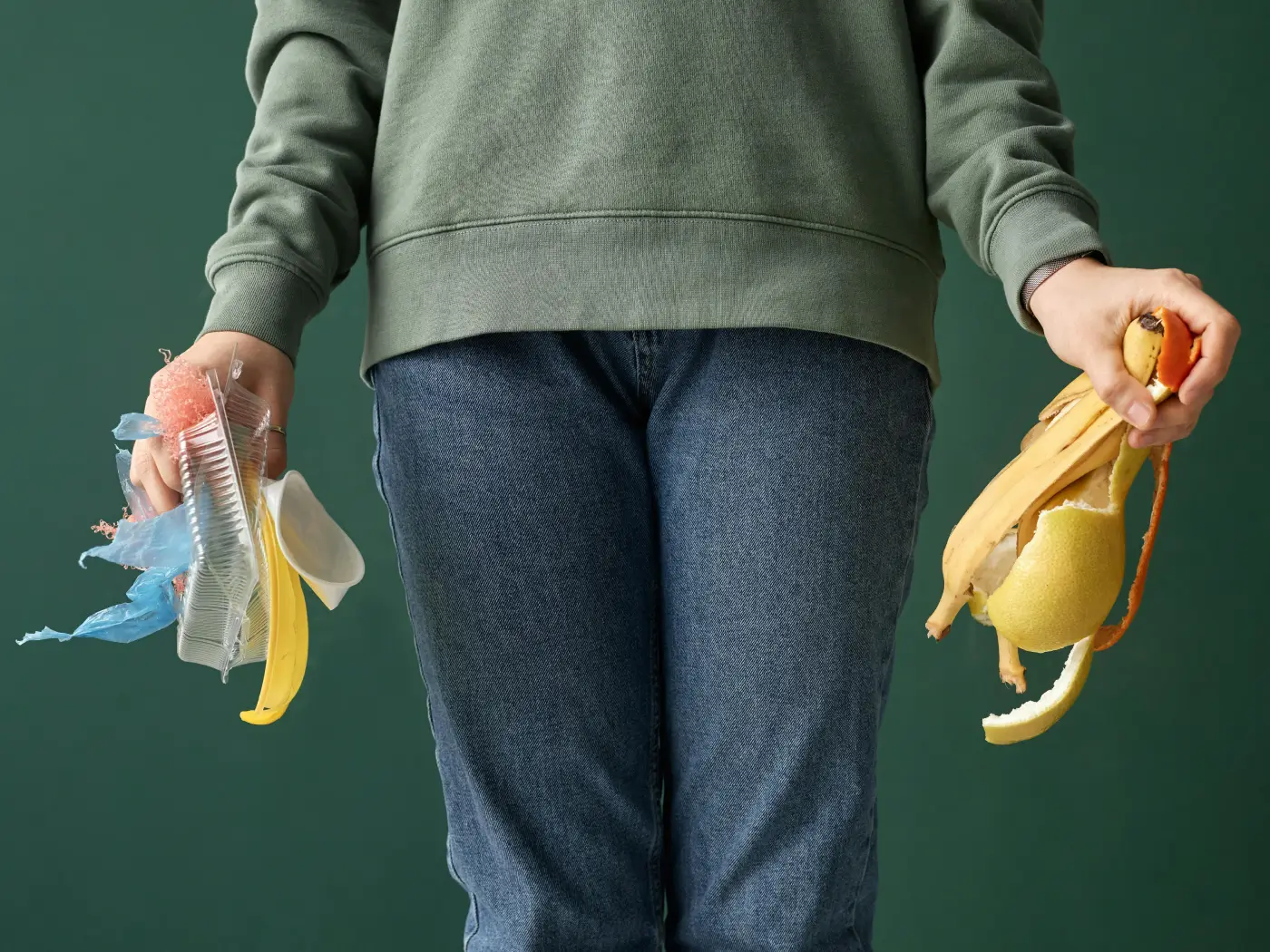
Recycling is not just about tossing cans
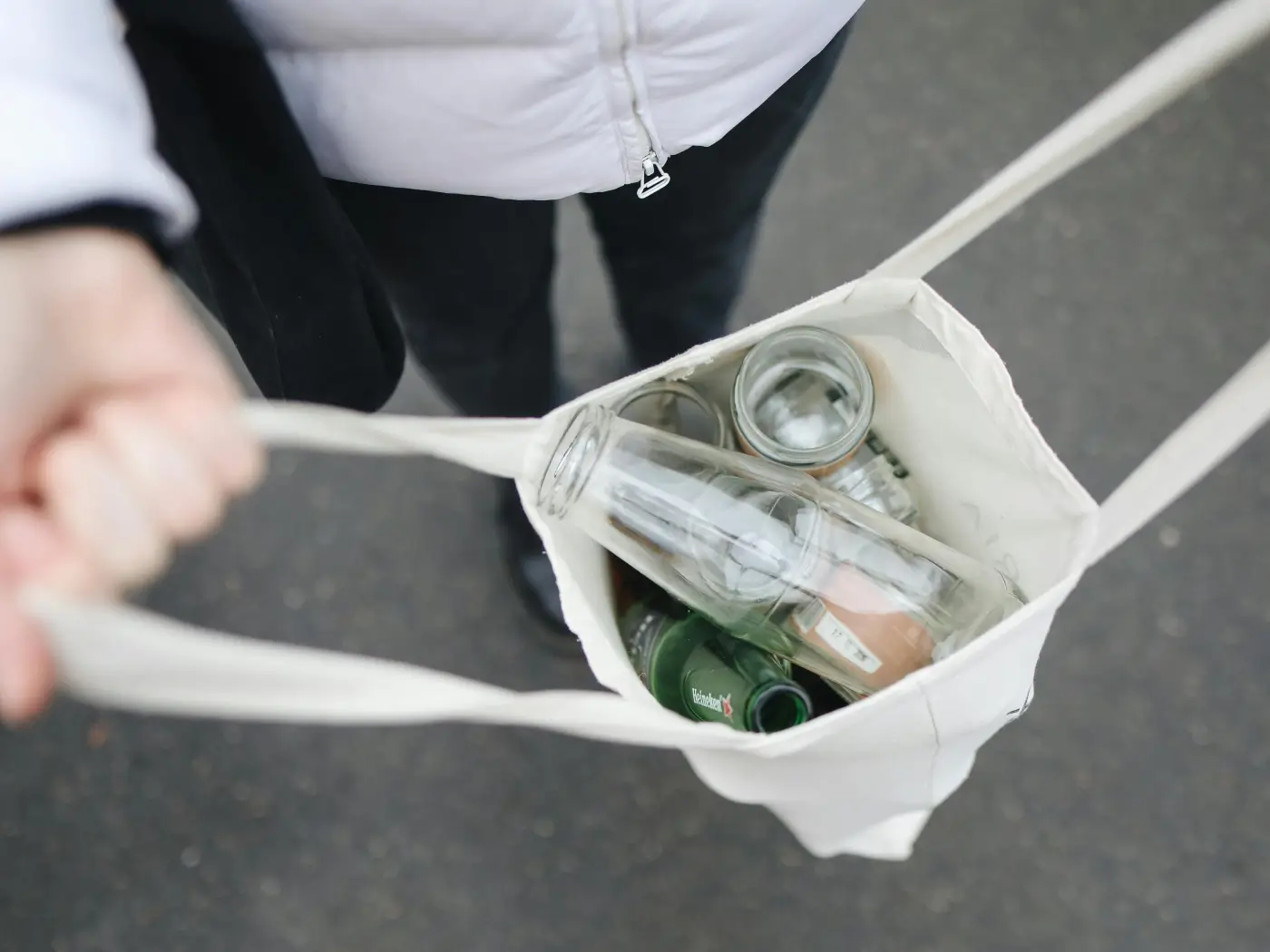
into a blue bin. It is about rethinking waste, reshaping habits, and rebuilding local systems — one person at a time. Across the world, volunteers like us are proving that you don’t need a degree in environmental science to make a lasting impact. You just need to start.
It Starts With Confusion
We wanted to recycle, but here is the truth: we did not know how.
Paper coffee cups? Not recyclable. Greasy pizza boxes? Also a no. Milk cartons? That depends on your city.
This confusion led us to “wishcycling” — throwing things into recycling and hoping they were okay. Unfortunately, wishcycling often contaminates loads and sends them all to landfills.
That’s where we stepped in — as guides, educators, and quiet reformers.
A Small Team, A Big Shift
In our small town in Oregon, as a group of four friends, we started a weekend sorting station after seeing how little our local program accepted.
We did not launch a startup. We did not wait for a policy change.
We just showed up every Saturday with gloves, bins, and signs.
Soon, our neighbors joined us. The town’s waste department noticed. Schools asked us to speak. Local businesses started reducing single-use plastics.
It was not flashy. It was consistent.
What You Can Do
You do not need a full team or a lot of time. Here are three low-barrier ways we got started — and how you can too:
Volunteer at a local recycling center – Many centers rely on extra hands to help sort materials, guide visitors, and keep operations running smoothly.
Host a fix-it or swap event – Invite neighbors to bring broken items or clothes they no longer wear. Repair, trade, or repurpose together.
Create or improve signage – In shared spaces (offices, cafes, apartment buildings), good signs with pictures can dramatically reduce recycling mistakes.
Even just talking to our building manager or workplace about better sorting bins has become a catalyst.
Why It Matters
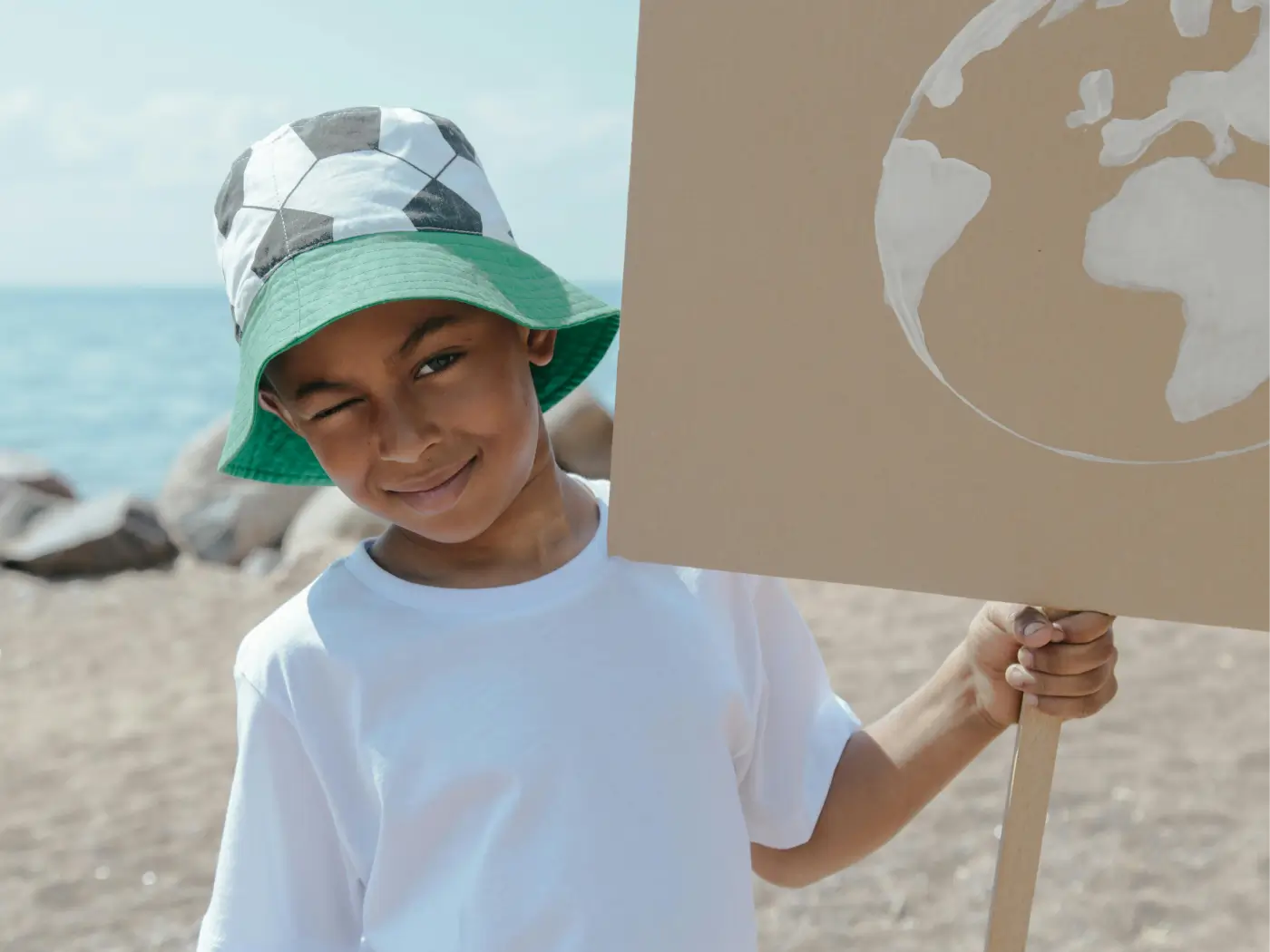
When we think about climate action, it’s easy to feel small. However, when done correctly, recycling is meaningful.
It saves raw materials and energy
Reduces greenhouse gas emissions
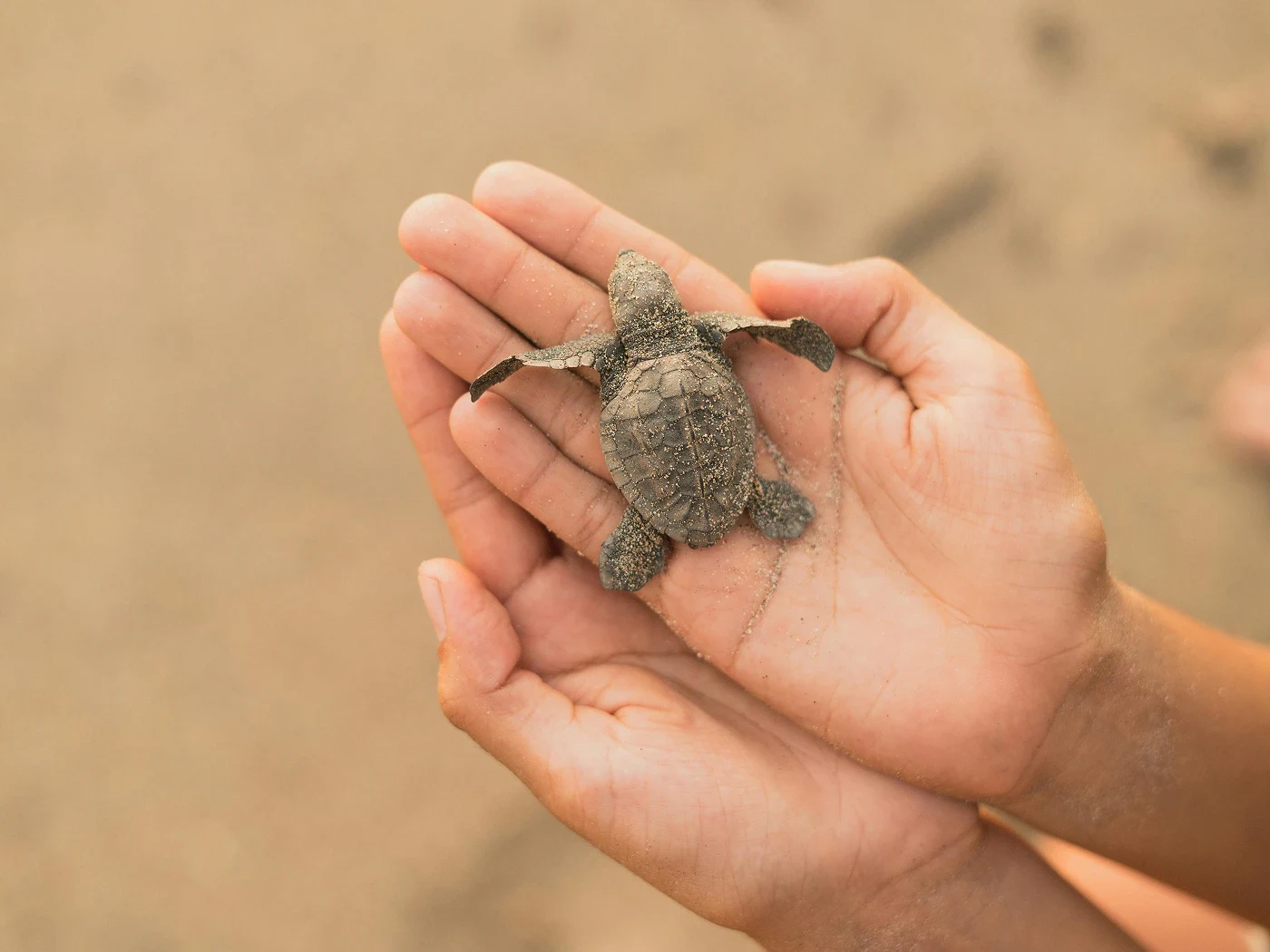
Keeps oceans and ecosystems cleaner
Teaches responsibility and circular thinking
And volunteering in this space builds community. It connects people like us who care about the same future.
Final Thought
Recycling is not a perfect system — far from it. But it’s one of the most visible ways we interact with our environment daily. When we step up to educate, assist, and improve these systems, real change becomes possible.
If you’ve ever asked, “Does this even make a difference?” — the answer is yes. Especially when you make it with your own two hands.